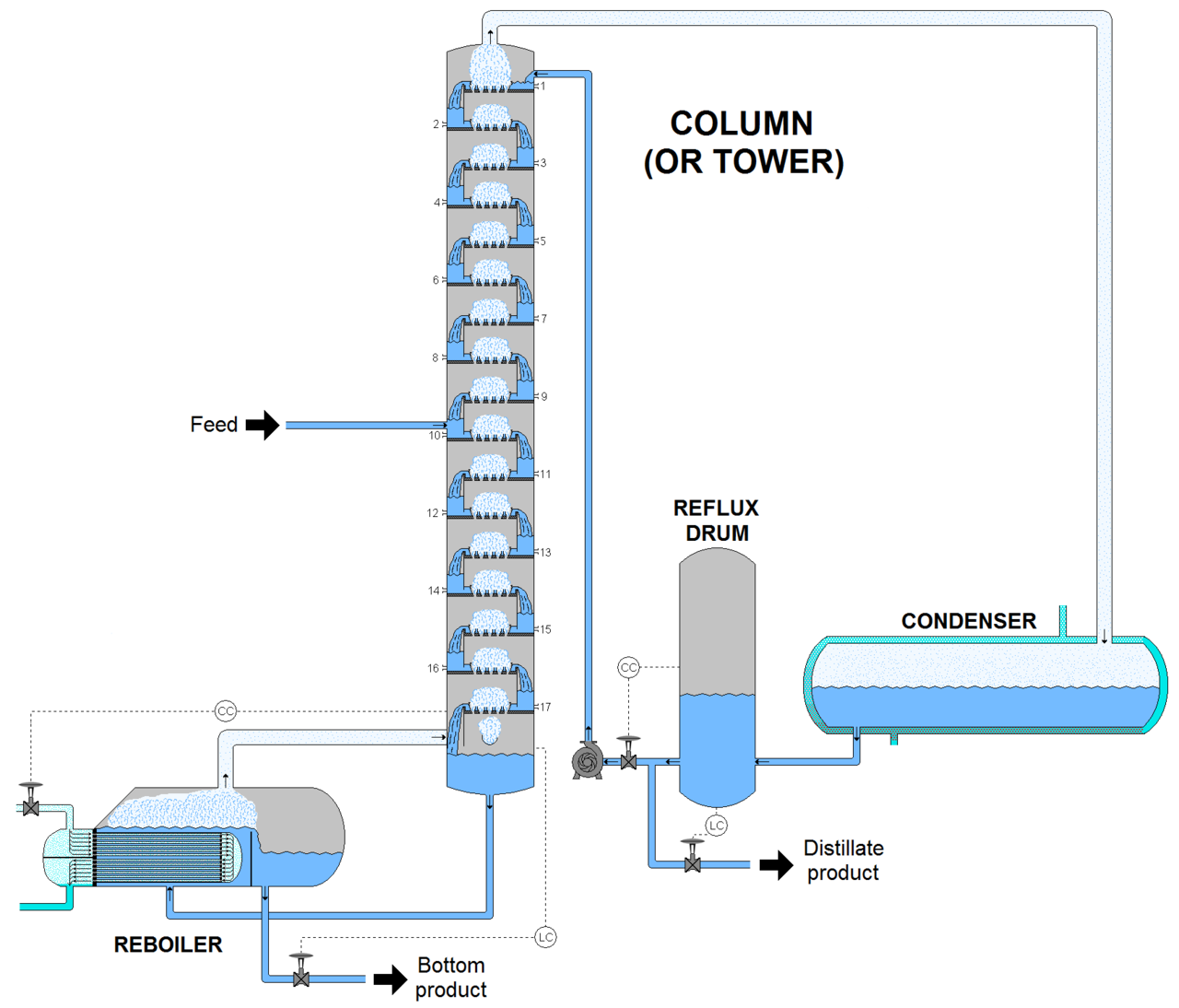
Introduction: A distillation column is an Equipment used in the chemical processes for separation of individual components fromnt from liquid mixtures based on their boiling points. To analyze and design…
RT1, RT2, RT3, and RT4 are codes used in the American Society of Mechanical Engineers (ASME) Boiler and Pressure Vessel Code to indicate the level of radiography required for butt…
What is IS 2062? IS 2062 is an Indian standard for hot-rolled high and medium tensile structural steel. It is widely used in various industries for construction and manufacturing purposes.…
Line sizing is defined as the process calculation which is used to calculate the appropriate diameter (size) for pipes or pipelines to ensure that they can carry a specific fluid…
What is Pressure Transmitter: Pressure transmitters are commonly used in the oil and gas industry to measure and monitor pressure in various applications such as pipelines, tanks, and wellheads. Working:…
Introduction: In fluid mechanics, the Reynolds number is a dimensionless quantity that describes the ratio of inertial forces to viscous forces in a fluid flow. It is named after Osborne…
What is Compressor Air Receiver: Compressor Air receiver is an essential item for the air compressor system to act as storage and medium. The compressor air receiver is placed between…
Introduction to ASME Sec. VIII Div. I and II Code: ASME Section VIII Div. I and II are codes used for the design of Pressure vessels. This Code contains guidelines…
In the combustion process, Air-Fuel Ratio refers to the mass of air to the mass of fuel. Fuel can be Solid, Liquid, Gas, or maybe a combination of these. The…
What is Centrifugal Pump: A Centrifugal pump is a device used to lift fluid from lower to higher levels by the mean of centrifugal force acting inside the pump. Centrifugal…
What is Fan Power: Fan power defines the amount of energy required to operate the fan to produce a specific amount of Air flow. Fan power depends upon the air…
The calculated viscosity is dynamic (absolute). The dynamic viscosity of the gas is a function of temperature. This is interpreted in crane 1988 in the graphical form for hydrocarbon vapors,…